
- Your cart is empty Browse Shop
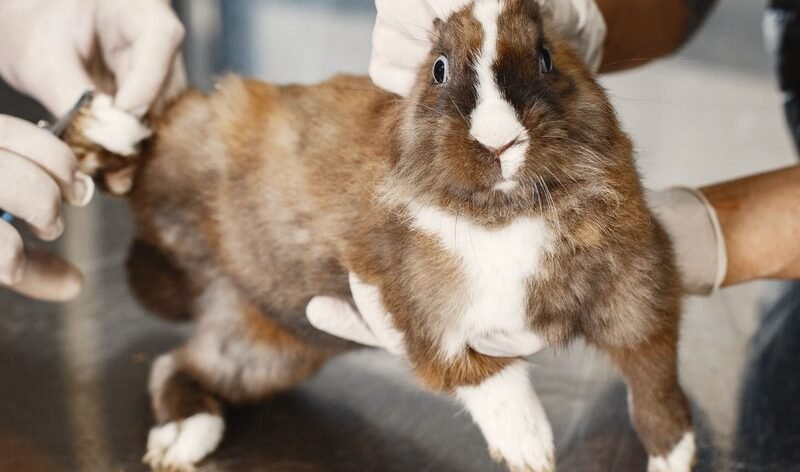
Common Rabbit Health Problems and How to Prevent Them
Healthy rabbits grow faster, breed better and cost you far less than sick ones. The good news is that most of the problems rabbit farmers face come from the same few causes: dirty or damp cages, sudden feed changes, poor ventilation and new animals brought in without checking. Fix those, and you’ll avoid the majority of losses.
Watch for these common problems. Diarrhoea often follows a sudden change of feed or wet, mouldy forage, and can kill young rabbits quickly. Coccidiosis spreads in dirty, damp cages where droppings build up. Ear canker shows as crusts inside the ear, caused by mites. Snuffles appears as sneezing and discharge from the nose, and spreads easily between rabbits kept in stuffy housing. Sore hocks appear on the feet of heavy rabbits kept on rough or dirty wire floors.
Heat stress deserves special attention in our climate. A rabbit that is panting, lying flat and stretched out, or refusing food on a hot afternoon is struggling. Move it to shade, wet the floor around the hutch, improve airflow and make sure cool, clean water is always available. Heat affects breeding too: bucks can become temporarily infertile after long spells of high temperature.
Look at your rabbits every single day. The farmer who spots a problem early rarely loses an animal to it.
Kim Farm
Daily Habits That Prevent Most Illness
- Check every rabbit each day for dull eyes, wet nose, crusty ears or loose droppings.
- Clean feeders and drinkers and remove leftover wet feed.
- Keep cages dry, and clear droppings from beneath them regularly.
- Change feed and forage gradually, over about a week.
- Quarantine new or sick rabbits for two to three weeks, away from the rest.
We have covered many special events such as fireworks, fairs, parades, races, walks, awards ceremonies, fashion shows, sporting events, and even a memorial service.Lorem ipsum dolor sit amet, consectetur adipiscing elit. vestibulum rhoncus, dolor eget viverra pretium, dolor ellus aliquet nunc,